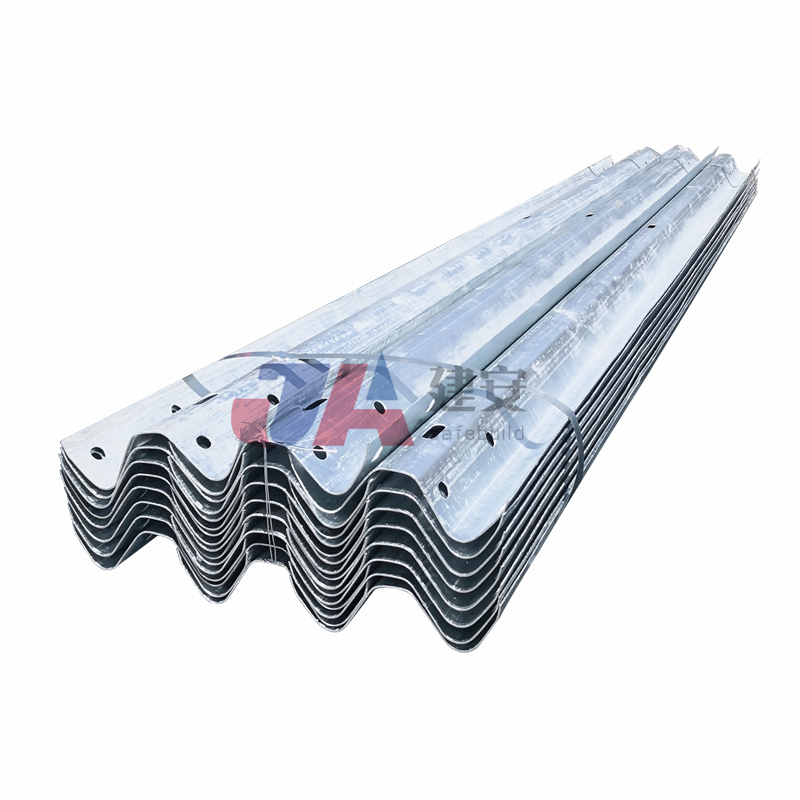
Based on EN ISO 1461 and ISO 12944 standards, this document analyzes salt‑spray corrosion mechanisms for guardrails. It recommends high‑zinc hot‑dip galvanizing for C4 and galvanizing‑plus‑powder‑coating duplex system for C5‑M environments and introduces triple‑layer and alloy customized solutions for ultra‑severe corrosion. It also provides selection suggestions for Southeast Asian island nations and Middle‑Eastern ports to extend guardrail service life for different budgets and working conditions.

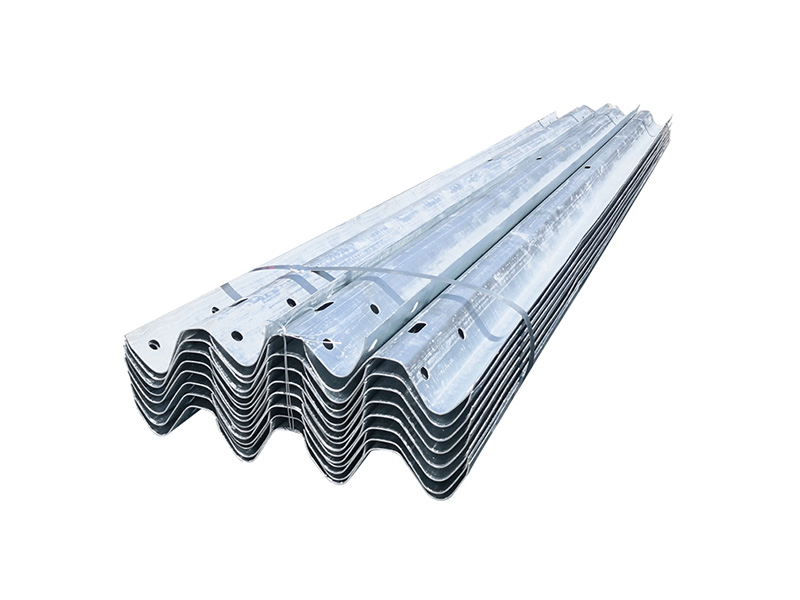
Based on the long and heavy features of W-beam guardrails, this document introduces parameters and applicable scenarios of 20GP and 40HQ containers. It provides practical layout and weight balance methods to maximize space utilization, standardizes scratch-proof, moisture-proof packaging and securing rules for beams, posts and fittings, and defines post-loading inspection procedures including photo recording and packing list verification to cut logistics damage and freight costs.
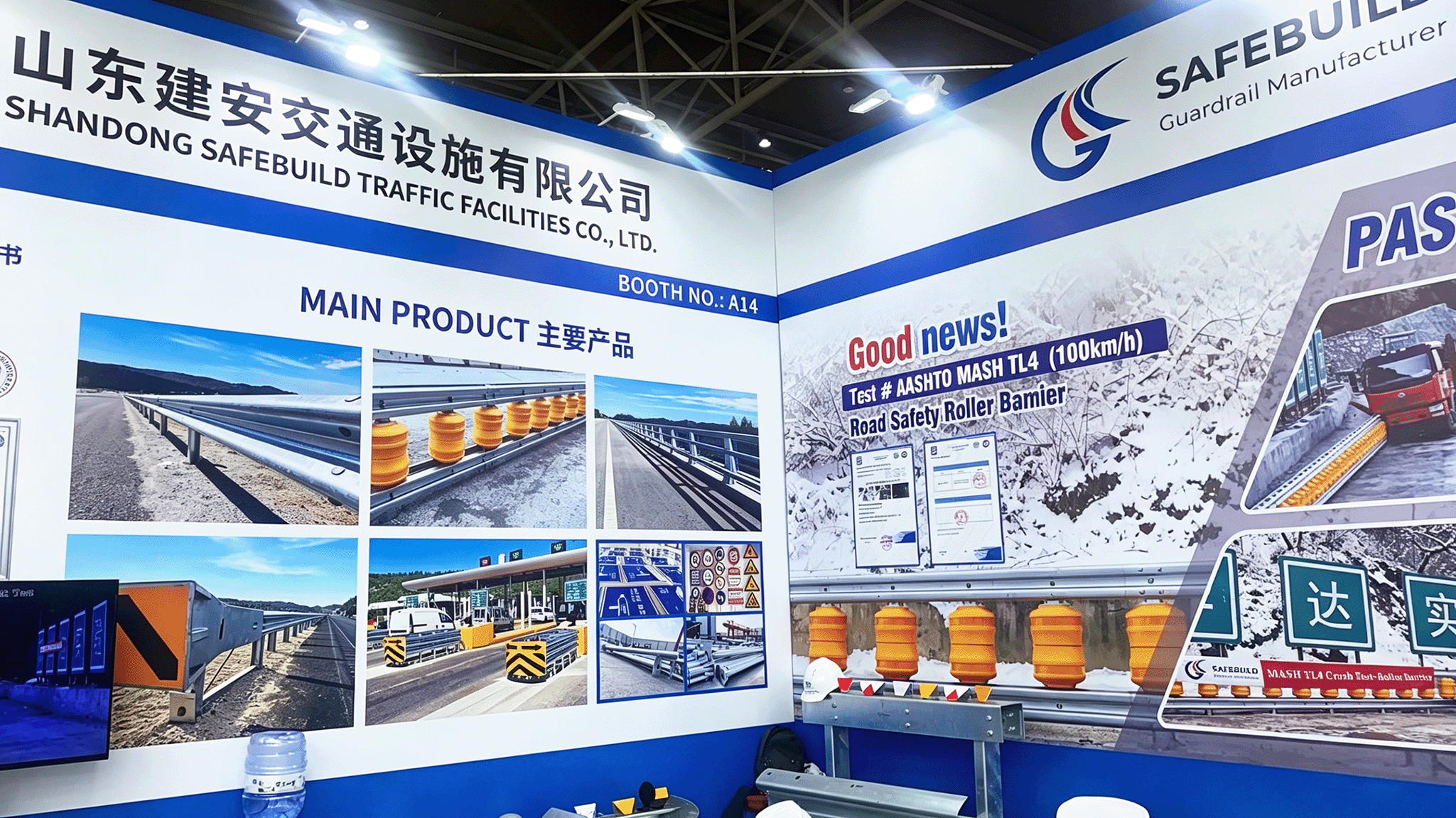
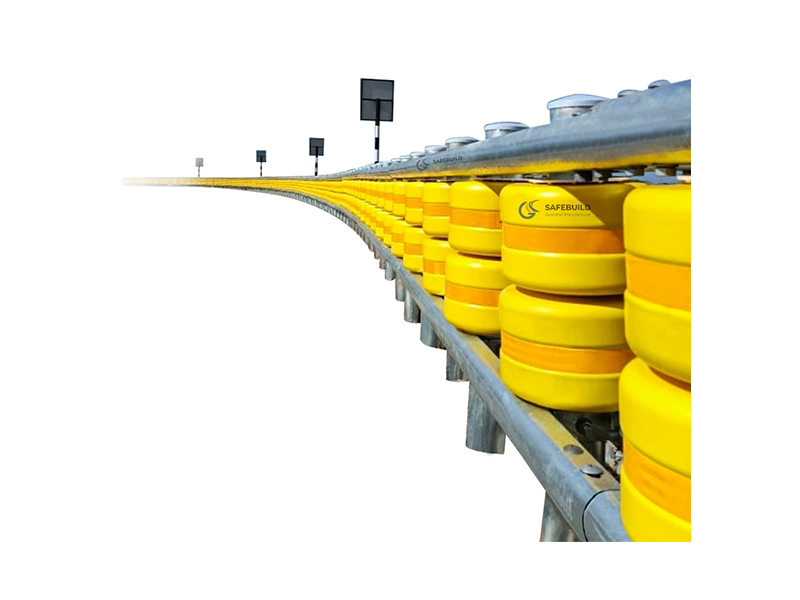
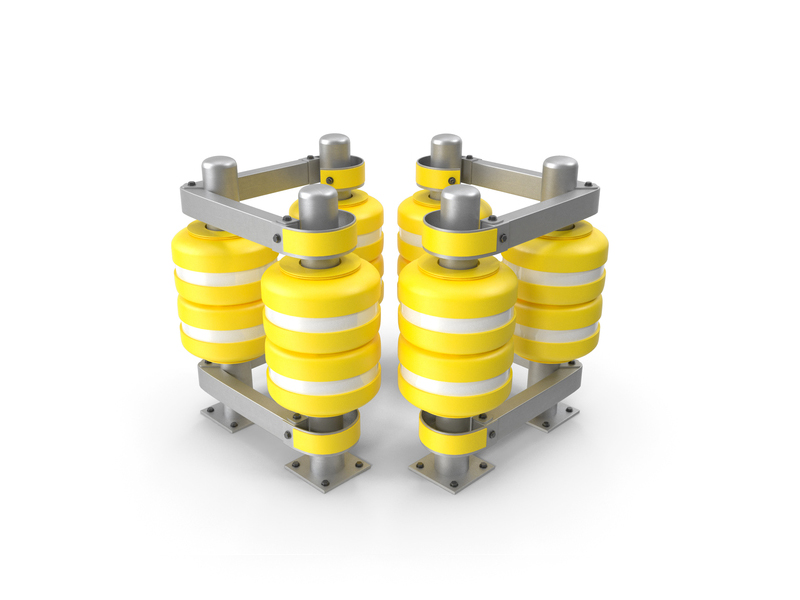
At Intertraffic China 2026, Jian'an Traffic Safety (Safebuild) presented its full product line, attracting visitors from Australia, South America, and Southeast Asia. With deep knowledge of MASH and EN1317, and its rotary barrier passing MASH TL‑4, it secured new partnerships. Backed by export experience in 100+ countries, Safebuild continues to pursue global excellence in road safety.
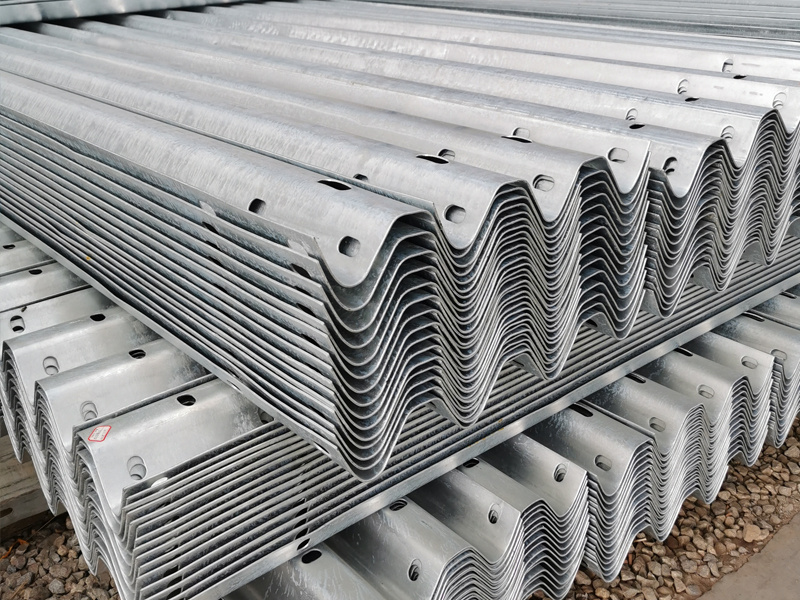
This document compares three mainstream global guardrail standards: AASHTO M180 for North America, EU EN 1317 and China GB/T 31439, detailing their differences in dimension, material, anti-corrosion, containment levels, certification and applicable markets. AASHTO matches MASH crash tests; EN 1317 is mandatory for EU CE marking; GB/T 31439 is cost-effective and widely adopted in developing regions. The factory manufactures compliant products under all three standards with complete supporting documents for worldwide projects.
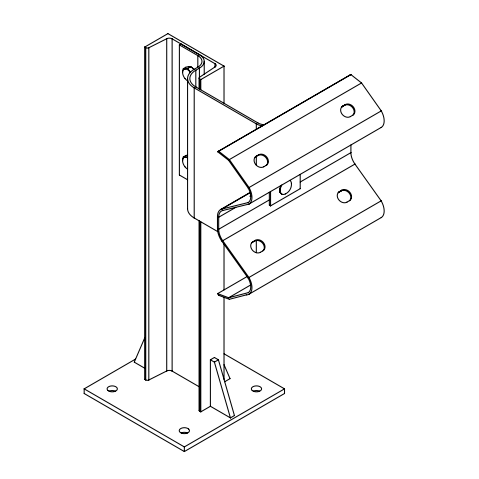
This document introduces the EN 1317 compliant UPN post guardrail system composed of UPN posts, spoon spacer blocks and W beams. Made of hot-dip galvanized Q235B/Q355B steel, it features stable structure and excellent corrosion resistance. Capable of gradual energy absorption and easy installation, it adapts to complex terrain and cold climates with low maintenance costs. Widely used in Russia and Central Asia, it is a reliable road safety solution for Eurasian regions.
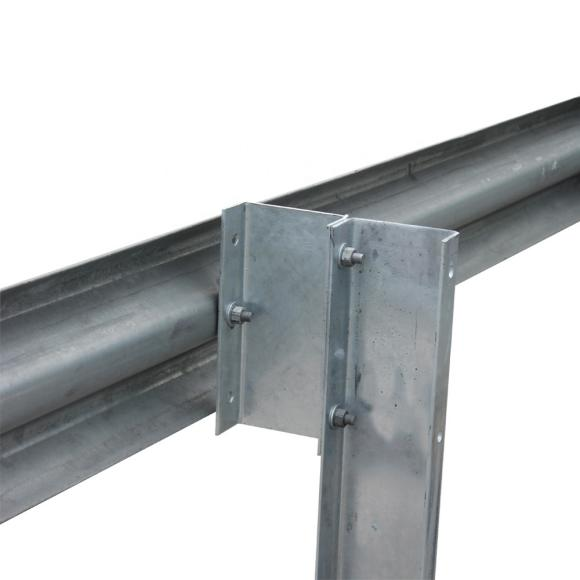
This document introduces the AASHTO M180 U-post guardrail system, modularly composed of U-post, U-spacer and W-beam. Made of Q235B/Q355B hot-dip galvanized steel, it features excellent mechanical properties and corrosion resistance. The system realizes crash energy absorption and uniform force transmission with flexible-rigid combination, supports multiple installation methods and high component interchangeability for various protection levels. It adapts well to high temperature, salt spray and sandstorm climate in the Middle East, and is widely applied in Africa, Southeast Asia and Central Asia, complying with AASHTO M180, EN 1317 and ISO certification systems.
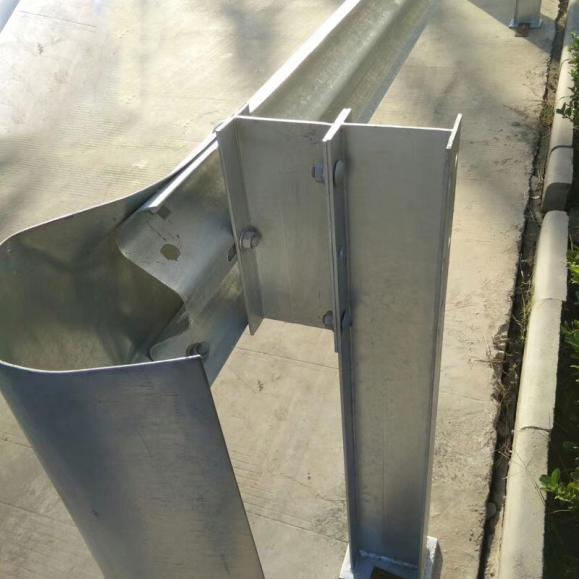
This document introduces the AASHTO M180 H-Post Guardrail System for the Middle East market. Composed of W beam, H post and H spacer, it features rigid-flexible integration, crashworthiness, energy absorption, stable structure and easy construction. With high load capacity, corrosion resistance and reliable connection, the system adapts to various road grades and complex scenarios, widely used in the Middle East, Southeast Asia, Central Asia and Africa as a highly adaptable international road safety solution.
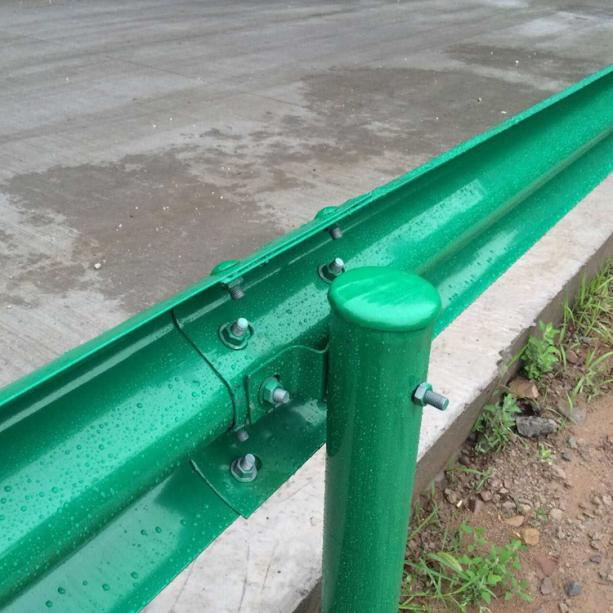
This document introduces the Round Post W Beam Guardrail System for the Southeast Asian market. Composed of W beam, bracket and round post, it features rigid-flexible structure, cost-effectiveness and easy installation, suitable for highways, bridges and slopes. The product complies with EN 1317, MASH, ISO 9001 and local certifications of many countries, widely applied in Southeast Asia, South Asia, Africa, the Middle East, Eastern Europe and Latin America as a cost-effective road safety solution.
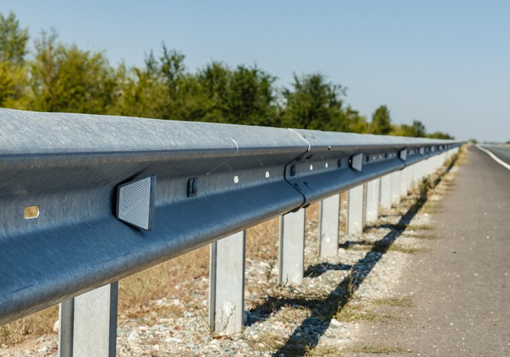
This document introduces the W Beam Guardrail System, a mainstream road safety product with excellent energy absorption, crashworthiness, easy installation and high weather resistance. It highlights the C Post + T Spacer + W Beam structure, where the T Spacer evenly distributes impact force and improves stability and installation efficiency. The product has obtained CE marking for the EU market and BV certification for Latin America, complying with global standards and providing a safe, practical and internationally adaptable road safety solution.
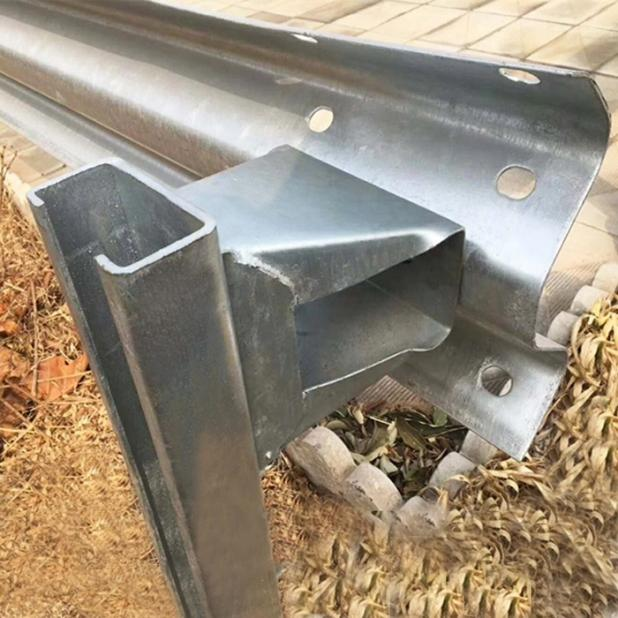
This document introduces the GS2/GS4 W Beam Guardrail System, a core semi-rigid road safety facility. Originating in France and widely used globally, GS4 differs from GS2 only in post spacing. Composed of C posts, box spacers and W beams, all components share the same material and anti-corrosion treatment, forming an integrated rigid-flexible protective system via welding-free bolt assembly. Its specifications are adjustable and it suits various installation methods. Compared with traditional guardrails, the system features superior protective performance, easy installation and maintenance, and wide adaptability.


admin@jiantraffic.com
+86-06358219188
8613906350752
Guanxian Economic Development Zone , Liaocheng City, Shandong Province,China
 English
 Russian
 French
 Spanish
 Portuguese
 Arabic
 Malay
Malay Hindi
Hindi