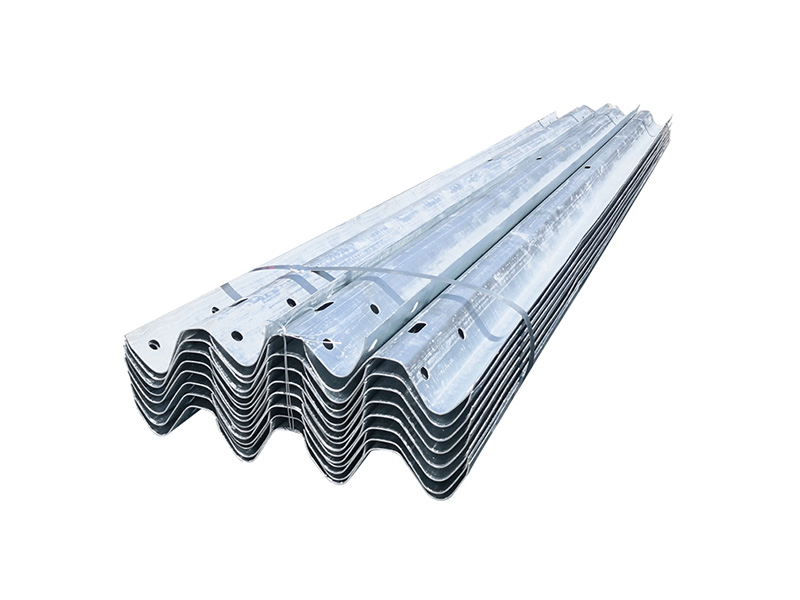
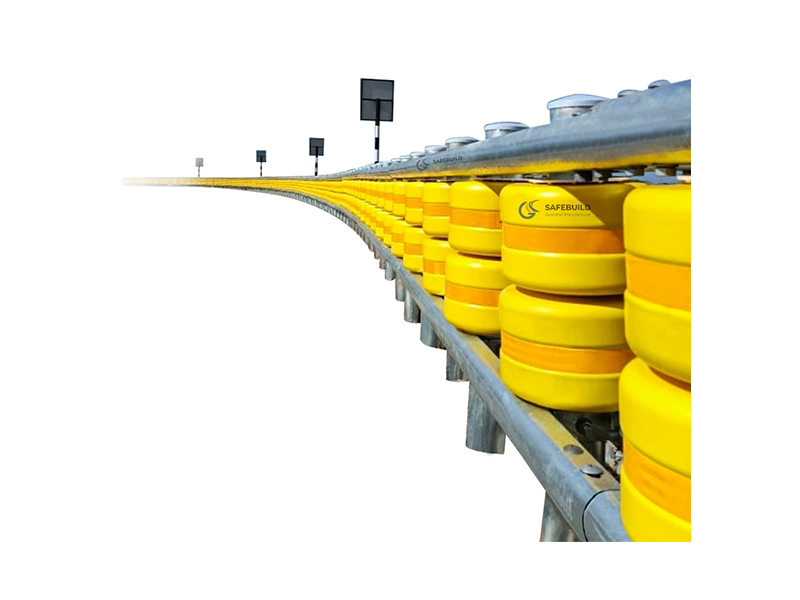
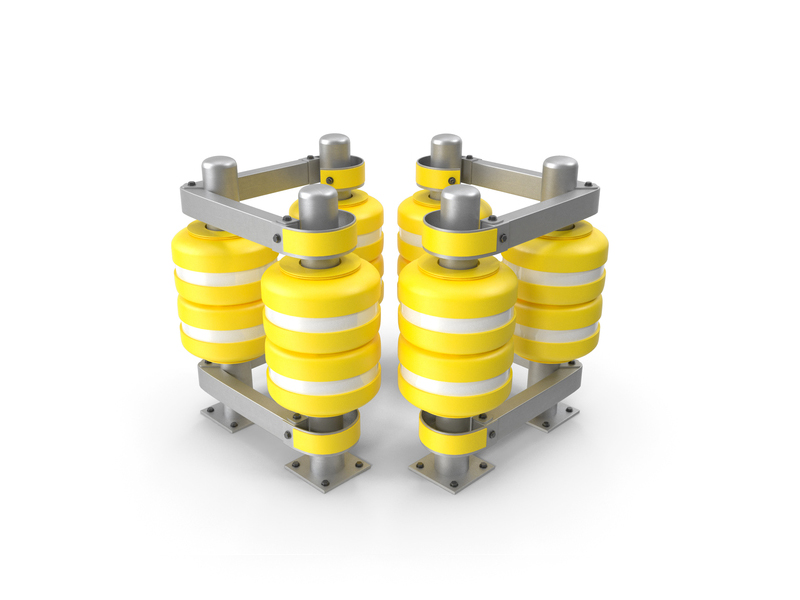
In the field of road traffic safety protection, W Beam guardrails have become core safety facilities for highways, municipal roads, park roads and other scenarios due to their rigid-flexible protective characteristics, convenient installation efficiency and wide adaptability. As a mainstream form of semi-rigid guardrails, W Beam guardrails can efficiently absorb collision energy through their own deformation when vehicles impact, thanks to the reasonable design of the corrugated structure. They can not only prevent out-of-control vehicles from running off the road, but also minimize injuries to drivers and passengers. Meanwhile, they provide excellent visual guidance and integrate naturally with road alignment and surrounding environments.
|
|
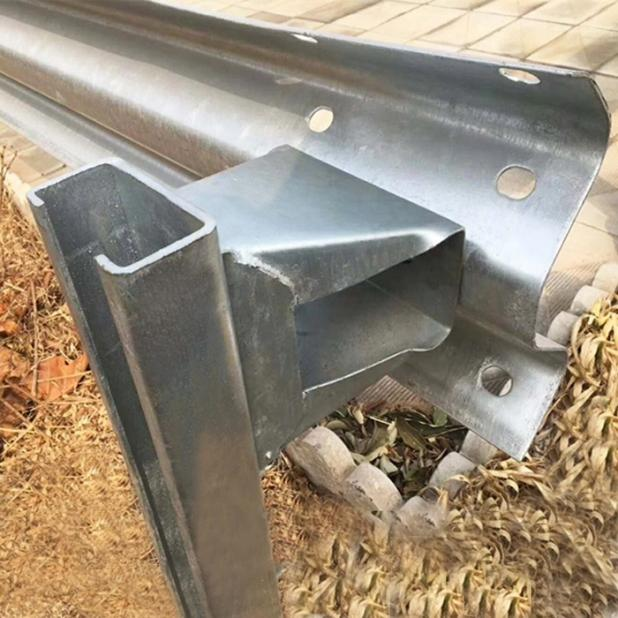
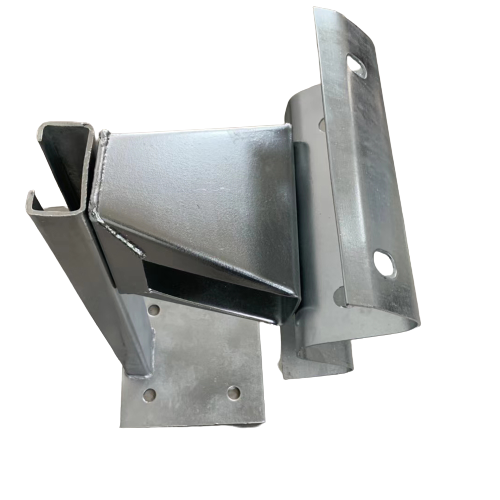
The simple guardrail GS4 is a standard product originally developed in France. For more than 40 years, GS4 has served as the foundation for lateral restraint systems on French roads. Today, this type of guardrail remains widely used around the world.GS4 consists of C posts, BOX spacers, and W beams, with one post and one spacer installed at 4‑meter intervals; the post spacing is 4 m. Similarly, the difference between GS2 and GS4 lies in the post spacing: GS2 uses a post spacing of 2 m.Through the collaborative design of all components, this guardrail solves the pain points of traditional guardrails, such as weak connections, insufficient impact resistance, and complicated installation. It forms an integrated protection system featuring stable support, tight connections, and efficient protection, making it suitable for a wider range of applications.
A single W Beam guardrail can only give full play to its protective efficiency with a reasonable support and connection structure. As the core support component of the assembly, the C Post is manufactured by cold bending forming with a C-shaped cross-section. Compared with traditional circular tube posts, it has superior bending and overturning resistance, which can effectively disperse impact forces transmitted from the guardrail and prevent the post from breaking or tilting. The C Post is made of the same material as the W Beam guardrail, namely Q235 carbon structural steel, and undergoes the same dual anti-corrosion surface treatment, forming a unified anti-corrosion system with the guardrail to extend the overall service life. In addition, the dimensions of the C Post can be flexibly adjusted according to road gradients and subgrade conditions to suit different installation scenarios. Both embedded and flange fixing methods are applicable, enabling convenient installation and strong stability.
The Box Spacer serves as the "core connecting component" of the assembly. It is integrally stamped and formed, featuring a compact structure and high strength. It is mainly used to connect the C Post and the W Beam guardrail, providing cushioning and force transmission. Compared with traditional connectors, the Box Spacer has a larger stress area, which can evenly transfer impact forces on the guardrail to the C Post and avoid component damage caused by local stress concentration. Meanwhile, it adopts a welding-free assembly design and is connected to the guardrail and post via high-strength bolts, ensuring fast installation and tight connection. This effectively prevents loosening and displacement of the guardrail, ensuring the integrity of the assembly structure. Furthermore, the Box Spacer receives the same anti-corrosion treatment as the post and guardrail, avoiding degradation of overall protection performance caused by connector corrosion.
As the protective main body of the assembly, the W Beam guardrail can be selected as standard or reinforced type according to scenario requirements, and is tightly connected to the C Post through the Box Spacer to form a continuous protective barrier. The core advantage of this assembly lies in its "rigid-flexible combination": the rigid support of the C Post is integrated with the flexible deformation of the guardrail. When a vehicle collides, the guardrail absorbs energy through corrugated deformation, the Box Spacer cushions and transfers force, and the C Post provides stable support. The coordinated effect of the three components not only effectively blocks vehicles but also minimizes collision injuries, while delivering excellent visual guidance to improve road driving safety.
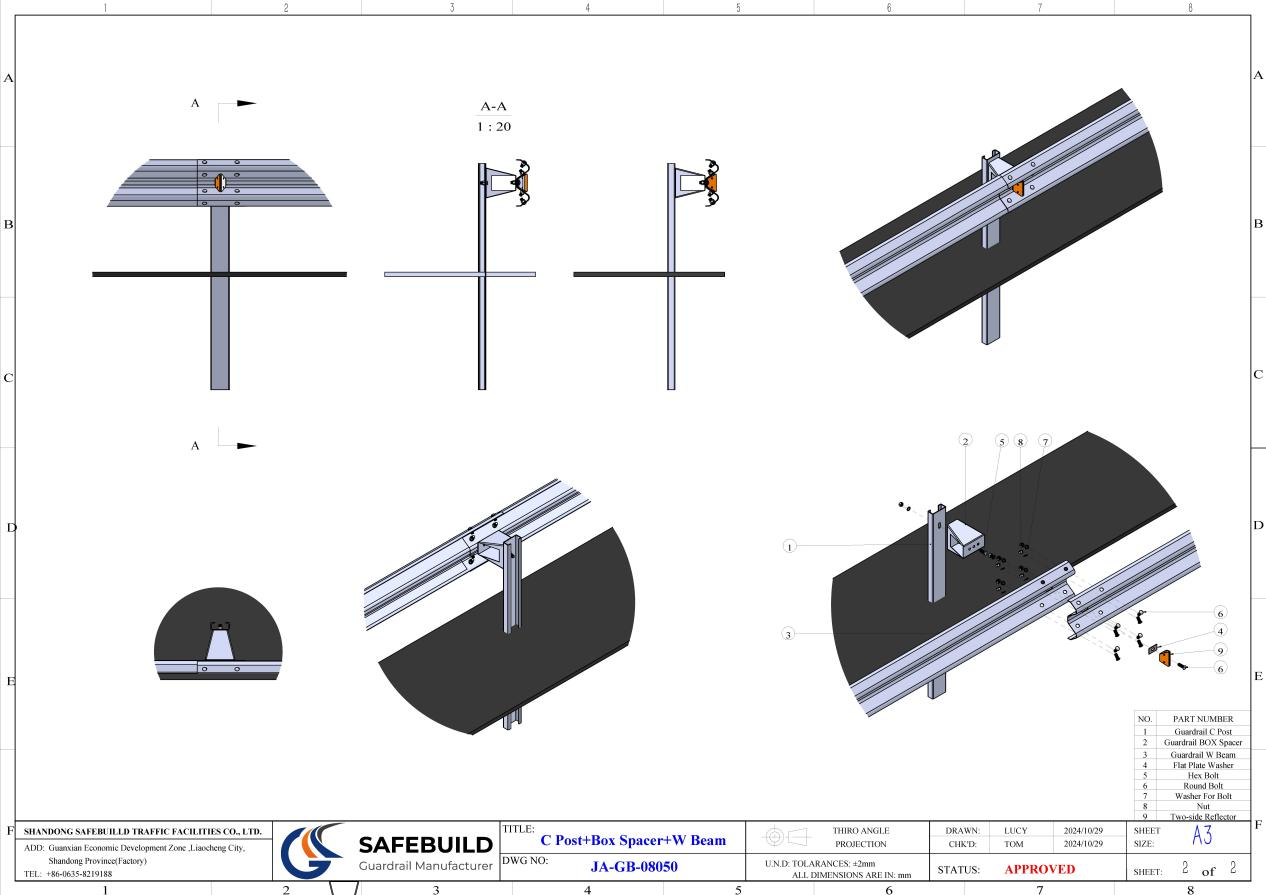
Compared with traditional guardrail structures, this assembly has three core advantages:
1. Superior protective performance: The collaborative design of each component greatly improves impact resistance and deformation resistance, meeting protection requirements of different grades, especially suitable for high-risk sections such as expressways and national/provincial highways.
2. Easier installation and maintenance: The welding-free assembly design eliminates the need for complex construction equipment, enabling rapid installation. Damaged local components can be replaced individually, significantly reducing construction and maintenance costs.
3. Wider adaptability: The specifications of the guardrail and post dimensions can be flexibly adjusted according to road types, terrain conditions and protection grades. It can also be combined with old guardrails for upgrading, balancing practicality and economy.


admin@jiantraffic.com
+86-06358219188
8613906350752
Guanxian Economic Development Zone , Liaocheng City, Shandong Province,China
 English
 Russian
 French
 Spanish
 Portuguese
 Arabic
 Malay
Malay Hindi
Hindi