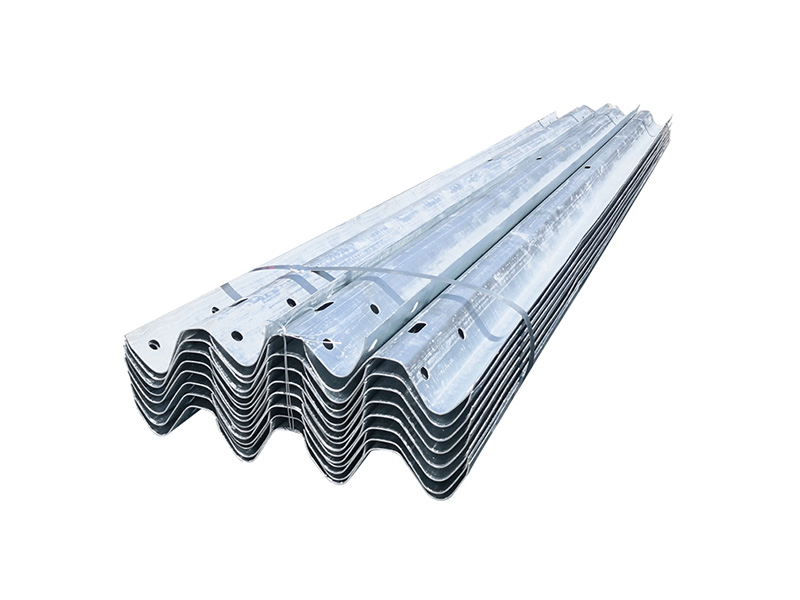
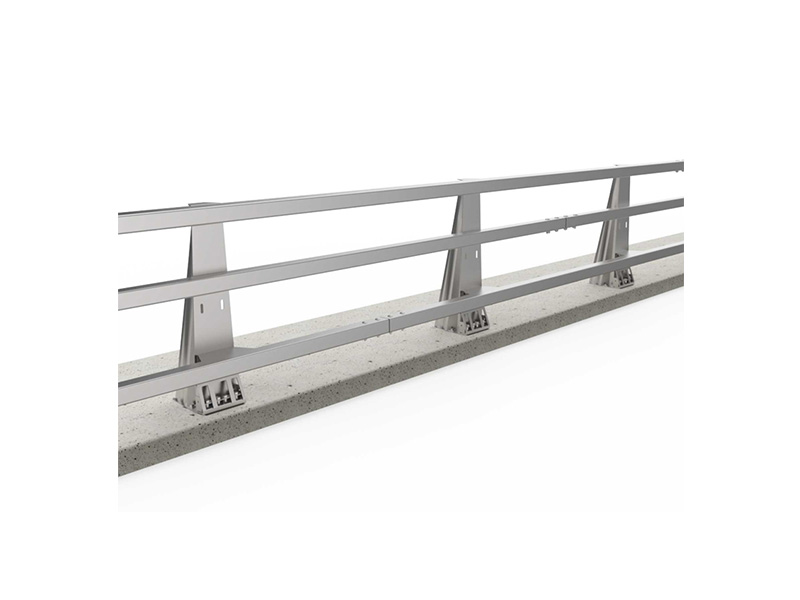
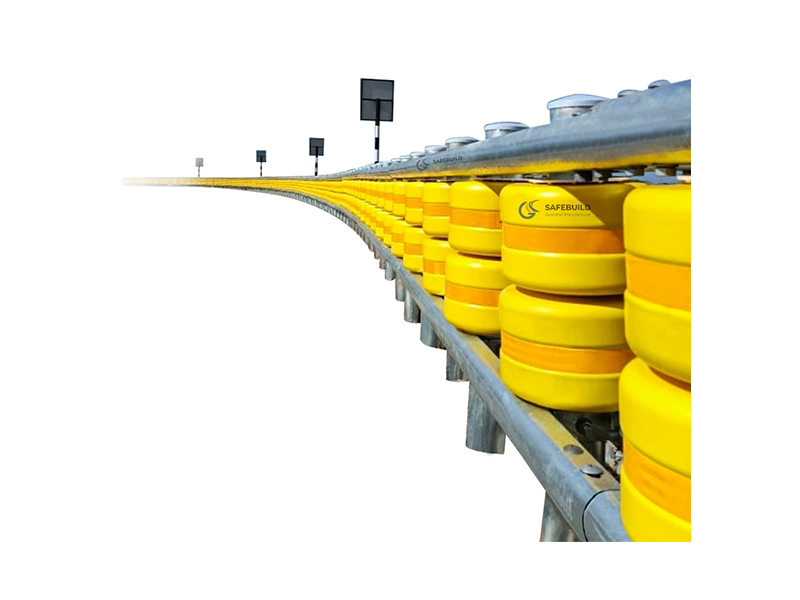
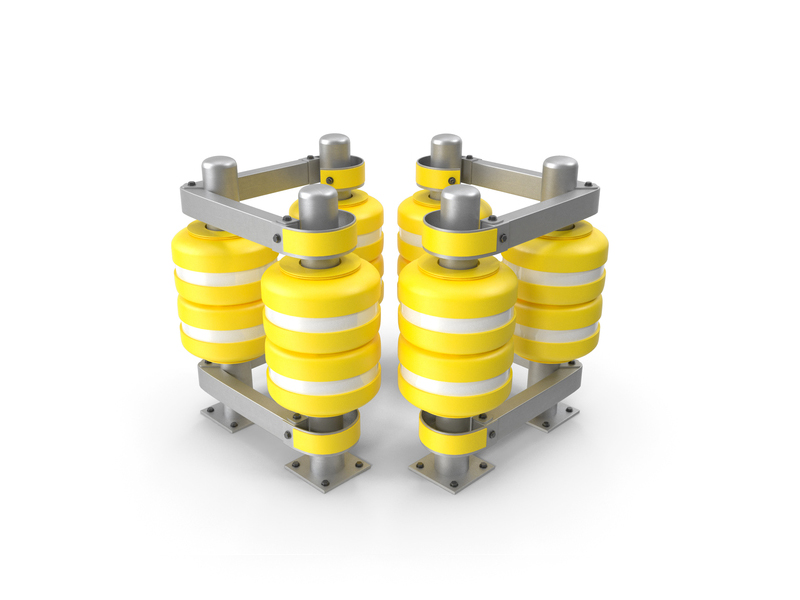
Coastal, port, and island areas, due to high airborne salt content and humidity, have chloride ion concentrations far exceeding those of inland regions, making them "highly corrosion-prone zones" for highway guardrails. Conventional anti-corrosion guardrails in such environments often show rusting, zinc coating peeling, and coating cracking within 1-2 years, requiring replacement within 3-5 years. This not only increases maintenance costs but may also pose safety risks due to guardrail failure.
Therefore, the selection of anti-corrosion solutions for guardrail projects in coastal high-salt spray areas is the core factor that directly determines service life and project quality. As a source factory specializing in export guardrail production, we have combined years of experience in overseas coastal projects with the design and performance guidelines for hot-dip galvanized coatings in the EN ISO 14713 series to develop a scientific and practical anti-corrosion selection guide for different coastal corrosion intensities. This guide is applicable to regions such as Southeast Asian island countries, Middle Eastern ports, and African coastal areas, and is provided for client reference.
I. Corrosion Mechanism of Salt Spray on Guardrails-Why Conventional Anti-Corrosion Solutions Fall Short
The air in coastal areas contains a large amount of chloride ions (from seawater evaporation), which are highly corrosive. They attack the protective coatings on guardrails and then the steel substrate through two main mechanisms:
Attack on the zinc coating: Although the zinc layer on hot-dip galvanized guardrails protects steel through sacrificial anode action, chloride ions destabilize the passivation film on the zinc surface, accelerating electrochemical corrosion of the zinc layer - leading to pitting corrosion and zinc peeling. Once the zinc is consumed, the steel substrate is exposed and rapidly corrodes.
Attack on the powder coating: The powder coating layer on painted guardrails can isolate moisture, but high humidity and strong UV radiation in coastal areas cause the coating to age and crack. Chloride ions penetrate through these cracks, corroding the underlying zinc layer and steel, resulting in coating detachment and guardrail rusting.
Conventional anti-corrosion solutions (such as the minimum 505 g/m² hot-dip galvanizing per EN ISO 1461 or standard powder coating) have insufficient thickness and limited resistance to chloride attack. Therefore, in coastal high-salt spray areas, the anti-corrosion grade must be upgraded to ensure long-term stable performance of the guardrail.
According to the ISO 12944-2 atmospheric corrosion environment classification, coastal areas can be divided into: C4 (high corrosion) -general coastal areas within 5 km of the coastline; and C5-M (marine very high corrosion) -islands, port terminals, salt fields, and other areas directly exposed to high salt spray. Different corrosion levels require different anti-corrosion solutions.
II. Recommended Anti-Corrosion Solutions for Coastal High-Salt Spray Areas
Based on coastal corrosion characteristics, we recommend two core solutions -"high-zinc hot-dip galvanizing" and "galvanizing + powder coating duplex system" -which can be flexibly selected according to corrosion intensity and client budget.
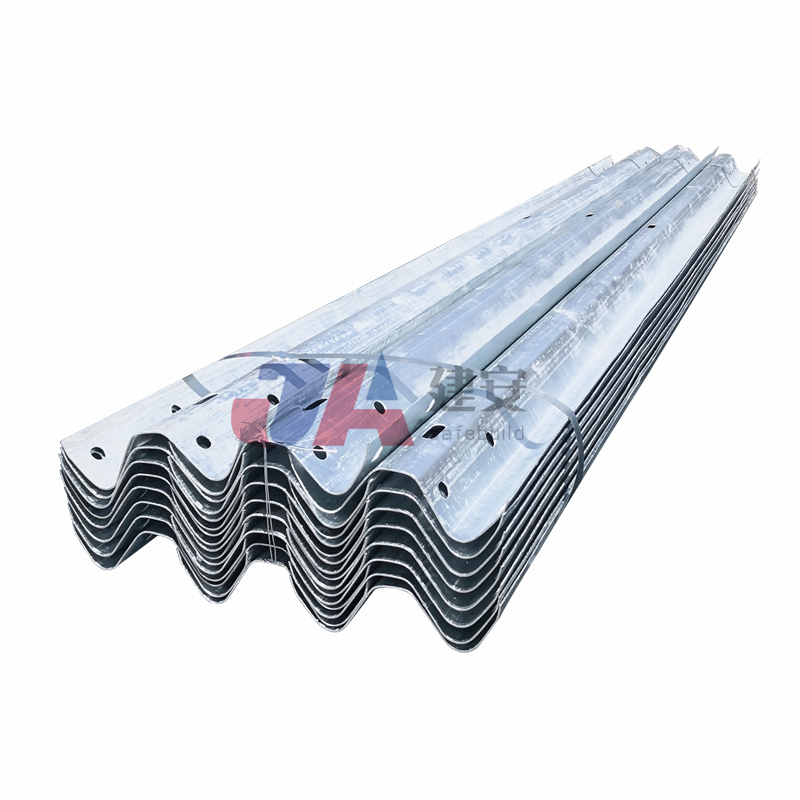
1. Solution 1: High-Zinc Hot-Dip Galvanizing (for C4 Corrosion Environment)
Common guardrail sheet thicknesses range from 2.67 mm (U.S. Class A) to 4.0 mm (GB/European standards). EN ISO 1461 requires an average zinc coating of ≥70 μm (≥505 g/m²) for sheets of 3-4 mm thickness. The zinc coating thicknesses in the solutions below are based on this standard and are increased for different corrosion environments.
Applicable scenarios: Inland coastal areas, away from the coastline (5-10 km from the coast), general coastal highways in C4 corrosion environments, where clients have limited budgets and seek cost-effectiveness.
Core specifications:
(1) Zinc coating thickness: Can be custom thickened above the EN ISO 1461 minimum to 1000-1200 g/m² (1.5-2 times the standard minimum for common guardrail thicknesses), significantly improving salt spray resistance and extending service life.
(2) Process requirements: Use high-quality zinc ingots, control zinc bath temperature and immersion time per EN ISO 1461 to ensure a uniform, dense coating free of misses, dross, runs, etc. Coating adhesion must pass the hammer test (per EN ISO 1461) to ensure firm bonding with the substrate and no peeling.
(3) Service life: Under C4 corrosion environment, design durability target is 15-20 years (ISO 12944 H grade).
(4) Advantages: Moderate cost, mature process, good impact resistance, suitable for large-volume engineering orders, and commonly used in Middle Eastern and African general coastal areas.
2. Solution 2: Galvanizing + Powder Coating Duplex System (for C5-M Marine Very High Corrosion)
Applicable scenarios: Within 5 km of the coastline, port terminals, islands, salt fields, and other severe corrosion areas with high demands on anti-corrosion performance and service life, where clients have sufficient budgets.
Core specifications:
(1) Base zinc layer: 800-1000 g/m² (per EN ISO 1461), providing basic corrosion protection through the sacrificial anode effect of zinc against chloride corrosion.
(2) Top powder coating: High-quality polyester powder, thickness 80-120 μm (per EN 13438:2013), with customizable colors. This further isolates chlorides, moisture, and UV while enhancing aesthetics.The complete duplex coating system complies with EN 15773:2018 (application and inspection specification) and EN 13438:2013 (performance requirements for powder coatings) , ensuring full process control from material to application. EN 13438 specifies performance requirements including coating thickness, adhesion, impact resistance, and salt spray resistance. Prior to powder coating, the galvanized surface must be cleaned and pretreated to ensure strong adhesion.
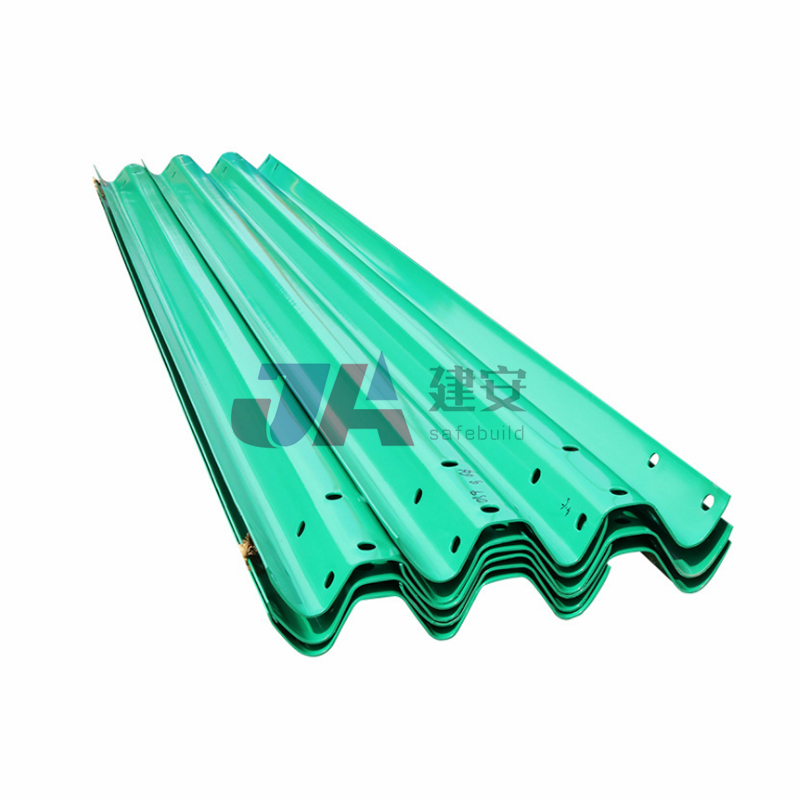
(3) Process requirements: First, hot-dip galvanizing is performed to achieve the required zinc layer quality, followed by powder coating with controlled application temperature and curing time to ensure strong bonding and avoid defects such as peeling, orange peel, or color differences. Simultaneously, coating process parameters (powder particle size, electrostatic voltage, curing temperature profile) are optimized to ensure a dense, pinhole-free coating and improve corrosion resistance.
(4) Service life: Under C4 environment, design durability target is 15-25 years (ISO 12944 H grade); under C5-M, with proper coating system design, it can achieve 15-25 years of maintenance-free service.
(5) Advantages: Dual protection, excellent salt spray and aging resistance, long service life, low maintenance costs; suitable for high-end coastal projects in Europe, America, Australia, as well as severe corrosion areas like Southeast Asian islands and Middle Eastern ports.
3. Special Custom Solutions (for Ultra-Severe Corrosion Areas)
For extremely corrosive environments (e.g., salt field perimeters, windward sides of islands), an additional fluorocarbon paint layer can be applied on top of the duplex system, forming a "zinc + powder + fluorocarbon" three-layer system to further enhance corrosion resistance and extend service life to over 30 years. Alternatively, stainless steel or aluminum alloy guardrails may be selected to completely eliminate corrosion, though at higher cost, suitable for high-end projects with extremely high corrosion protection requirements.
III. Project Case Ideas for Different Coastal Countries
Based on environmental characteristics and project needs in various coastal countries, we provide the following case-specific ideas for sales teams to reference when engaging with clients:
Southeast Asian island countries (e.g., Indonesia, Philippines, Malaysia): Tropical marine climate - high temperature, high humidity, high salt spray - moderate to severe corrosion. Projects are often municipal roads and coastal highways. Clients prioritize cost-effectiveness and service life. Recommendation: galvanizing + powder coating duplex system (zinc 800 g/m², powder 80 μm) , corresponding to C5-M corrosion environment; use UV-resistant colors such as white or grey to suit tropical conditions.
Middle Eastern ports (e.g., Dubai, Saudi Arabia, Qatar): Coastal areas with dry, low rainfall but high salt spray concentration - moderate corrosion intensity. Projects often involve port roads and highways, with clients emphasizing corrosion resistance and appearance. Recommendation: high-zinc hot-dip galvanizing (1000 g/m²) , corresponding to C4 corrosion environment.


admin@jiantraffic.com
+86-06358219188
8613906350752
Guanxian Economic Development Zone , Liaocheng City, Shandong Province,China
 English
 Russian
 French
 Spanish
 Portuguese
 Arabic
 Malay
Malay Hindi
Hindi