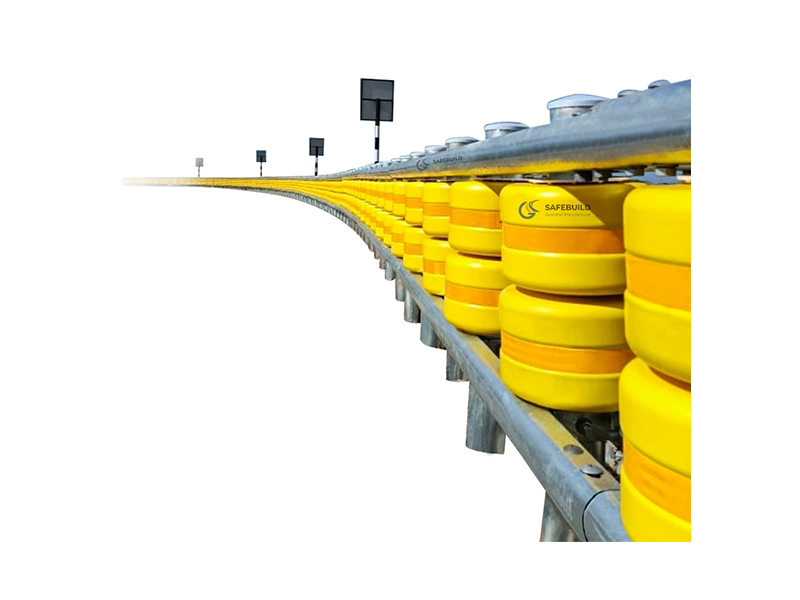
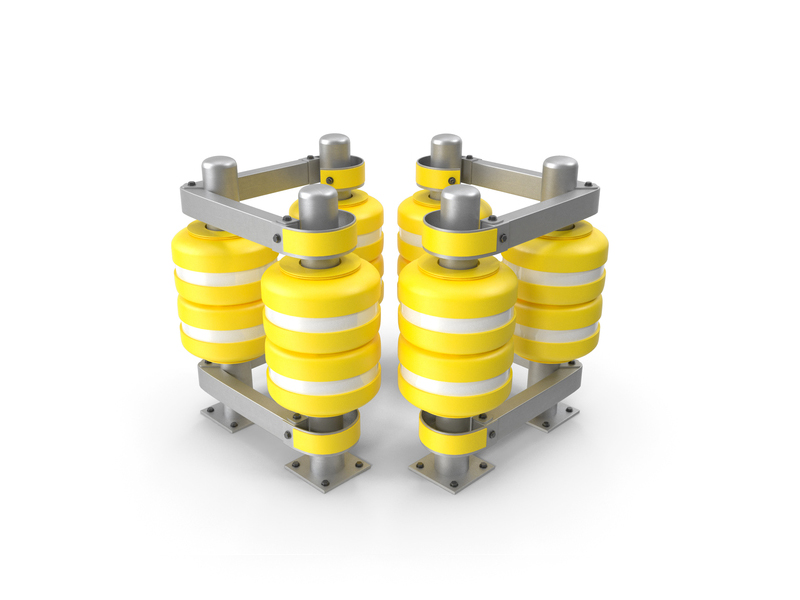
W beam guardrail is the most widely used semi-rigid highway guardrail in road traffic safety protection. With reliable structure, stable protection performance and strong adaptability, it has become the mainstream safety facility for highways, bridges and municipal roads around the world. It is mainly composed of continuous corrugated steel plates, forming a protective barrier with both rigidity and toughness through reasonable splicing and support. When a vehicle collides, it can effectively absorb impact energy, guide the vehicle back to its normal driving path, and minimize accident risks.
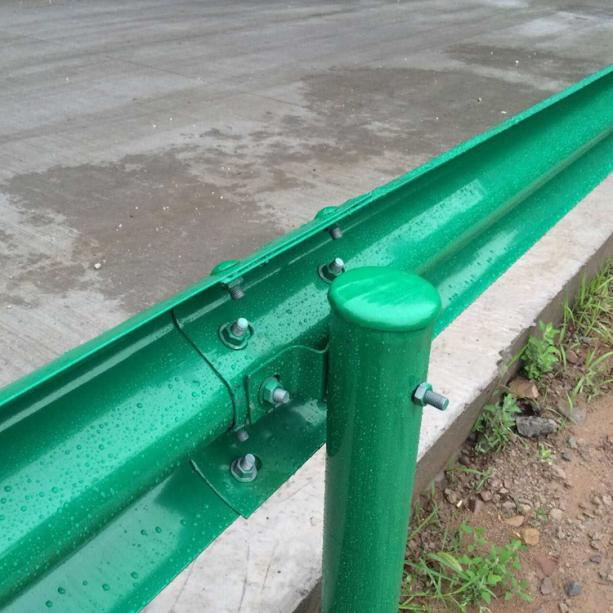
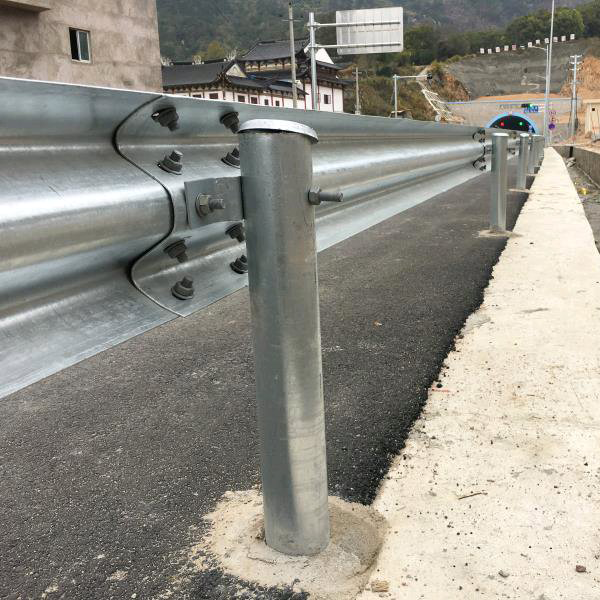
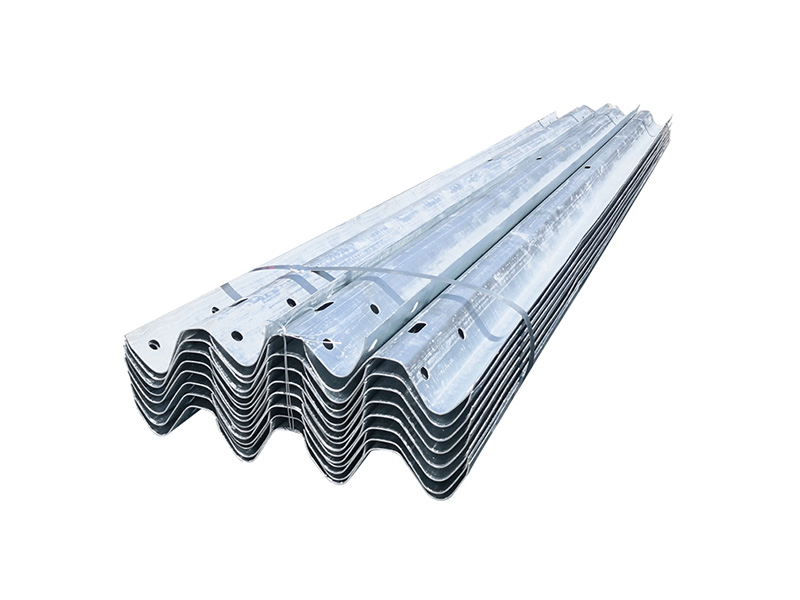
W Beam features a simple and efficient overall structure, with its core components including W Beam, Bracket and Round Post. W Beam is made of high-strength steel and processed with anti-corrosion treatment, providing excellent weather resistance and rust resistance to adapt to complex outdoor environments for a long time. Its double-wave cross-section design not only ensures overall rigidity but also reserves reasonable deformation space. During a collision, stress is dispersed through the coordinated deformation of W Beam and Bracket, avoiding rigid fracture or excessive bending, resulting in balanced and reliable protection. Compared with Thrie Beam, W Beam has moderate self-weight, convenient installation and better economy. It is suitable for most conventional protection scenarios such as ordinary highways, rural roads, bridge sides and ramps, making it the most widely used and popular guardrail type in global road engineering.
|
|
In the complete protection system of W Beam, the combination of Round Post + Bracket + W Beam is highly practical, among which Bracket is the core connecting component that plays a key connecting role. As the basic support component, Round Post is made of solid material with stable stress. It can be firmly installed on the roadbed by embedding or flange fixing, providing stable support for the entire guardrail system and ensuring its overall anti-overturning and anti-impact capacity. As a special connecting accessory, Bracket has a compact structure and reasonable stress distribution. One end is firmly connected to Round Post, and the other end supports and fixes W Beam, realizing the rigid connection and uniform force transmission between W Beam and Round Post.
The core value of Bracket is reflected in three aspects:
1. Optimize force transmission: quickly disperse impact force to Round Post and roadbed during a collision to avoid component damage caused by local stress concentration.
2. Improve protection toughness: assist in absorbing impact energy through reasonable deformation, cushion the impact force, and reduce secondary damage to vehicles and personnel.
3. Simplify installation and maintenance: standardized structure facilitates mass production and on-site rapid assembly. In case of local damage, Bracket or W Beam can be replaced separately, reducing operation and maintenance costs and improving engineering efficiency.

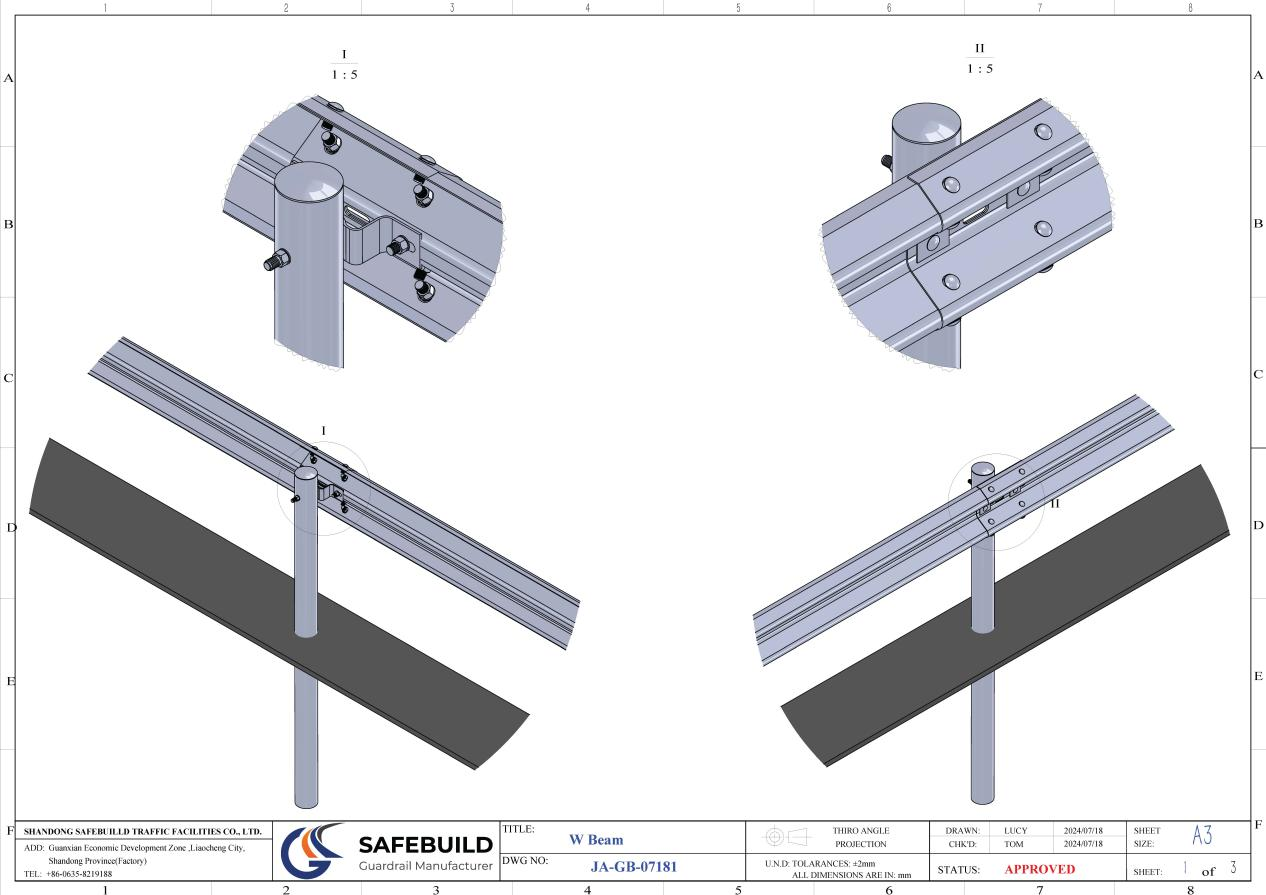
This combination mode integrates rigidity and flexibility, meets basic protection level requirements, and takes economy and practicality into account. It is suitable for most medium and low-grade roads, bridge approaches, slope sections and other scenarios, becoming the preferred solution for engineering design at home and abroad.
The combination solution of Round Post + Bracket + W Beam has been widely used worldwide due to its reasonable structure, controllable cost and convenient installation and maintenance. It is especially suitable for the following countries and regions:
· Southeast Asian countries such as Thailand, Vietnam, Cambodia, Indonesia, etc., where road construction standards refer to international norms and there is a large demand for economical and applicable safety facilities.
· South Asian countries such as India, Sri Lanka, Bangladesh, where a large number of new or reconstructed highway projects adopt this combination design.
· Africa and the Middle East: many countries adopt European or American standard systems, and this combination can meet the corresponding protection level requirements.
· Parts of Eastern Europe and Latin America: this guardrail structure is also commonly used in non-expressways or mountain roads.
Certifications and Standards
· EU Standard (EN 1317): It is a recognized performance test standard for road protection facilities in Europe and many international projects, covering key indicators such as crash test, energy absorption level and working width. Products must pass full-scale vehicle crash tests in certified laboratories and obtain corresponding level certificates (such as N2, H2, etc.).
· US MASH Standard (Manual for Assessing Safety Hardware): For countries in North America or adopting the American standard system, the guardrail combination needs to pass MASH crash test evaluation and obtain compliance certification.
· ISO 9001 Quality Management System Certification: An essential qualification for manufacturers to ensure the whole-process quality control of guardrail plates, posts, brackets and other components from raw materials to finished products.
· National Local Certifications: Such as Cambodia MPWT (Ministry of Public Works and Transport) certification, Thailand DOH certification, India IRC standard compliance certificate, etc. Some countries also require corrosion resistance test reports (such as salt spray test) and material mechanical performance re-inspection reports.


admin@jiantraffic.com
+86-06358219188
8613906350752
Guanxian Economic Development Zone , Liaocheng City, Shandong Province,China
 English
 Russian
 French
 Spanish
 Portuguese
 Arabic
 Malay
Malay Hindi
Hindi